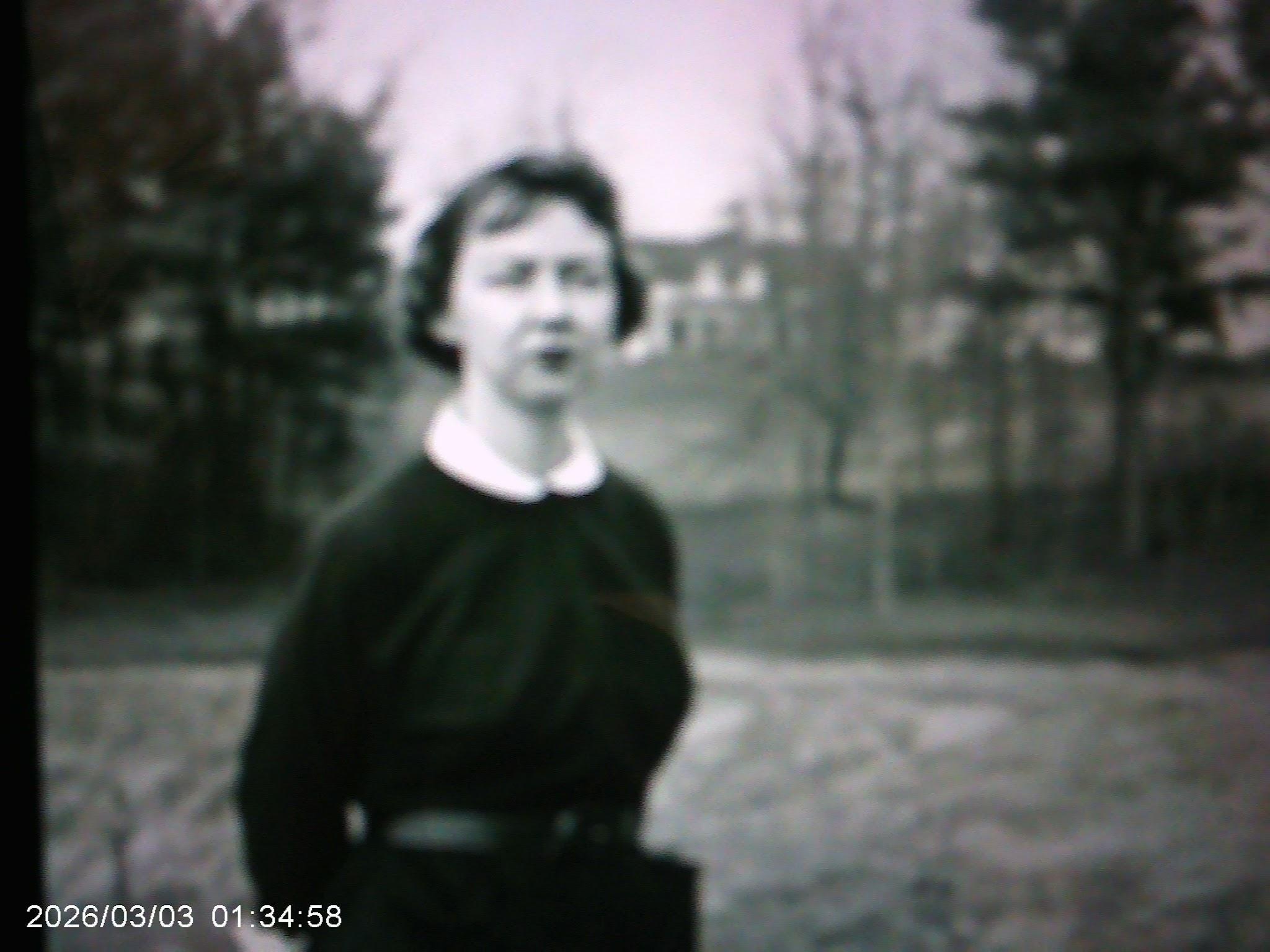
On the 25th March, 1925 the American writer Flannery O’Connor was born. She spent all her life in Georgia, and her writing was inspired by the people and the culture that surrounded her. This was a Southern state with a unique reputation. It was characterised by its deep religious piety, but it also attracted notoriety for something altogether darker and unsettling.
Smalltown Georgia in the forties and fifties was not an especially tolerant place. It maintained an outward civility but it remained hostile to anyone who was perceived as different. Black people, especially young black men were subject to the worst kind of prejudice and discrimination. In the pre-civil rights era, an astonishing 531 lynchings occurred, the second highest number of extralegal executions within the entire southern United States.
O’Connor writes in an unsparing and pitiless tone about this climate of suspicion and fear, and the obstinacy displayed by the people living within it. It is a stark contrast to the wholesome and glamourised image of the south as evinced by Margaret Mitchell in her romantic novel “Gone With The Wind”. In Mitchell’s imagination this is a rich and lush landscape inhabited by a happy and harmonious set of people unscathed by slavery. O’Connor’s version of the south is bleak, and steeped in bathos. Her 1952 novella “Wise Blood” illustrates this perfectly. The narrative is nihilistic and cynical. It is purposefully stripped of any superficiality and romance to reveal the decadent underbelly.
The book uncovers the harsh reality of post-war America. It is a battle scarred nation that is wrestling with its identity. Many of the characters are solitary figures who privately struggle with afflictions of one kind or another. Empathy is entirely absent and all that emerges from the story is the sense that desperation is the most valuable commodity. This is exploited for maximum gain. It is a merciless system where the most vulnerable are manipulated and corrupted to enrich others.
However the individuals depicted are not presented as helpless victims of fate, they are painted as proud, dignified and singular in their suffering. They are the embodiment of martyrdom. They resemble Biblical figures who strive only to seek meaning in a place and time that has no real semblance of meaning, and seems just random and cruel. O’Connor herself had her own private health battles, and died aged only 39, but her legacy endures.
 Ponderings
Leave a comment