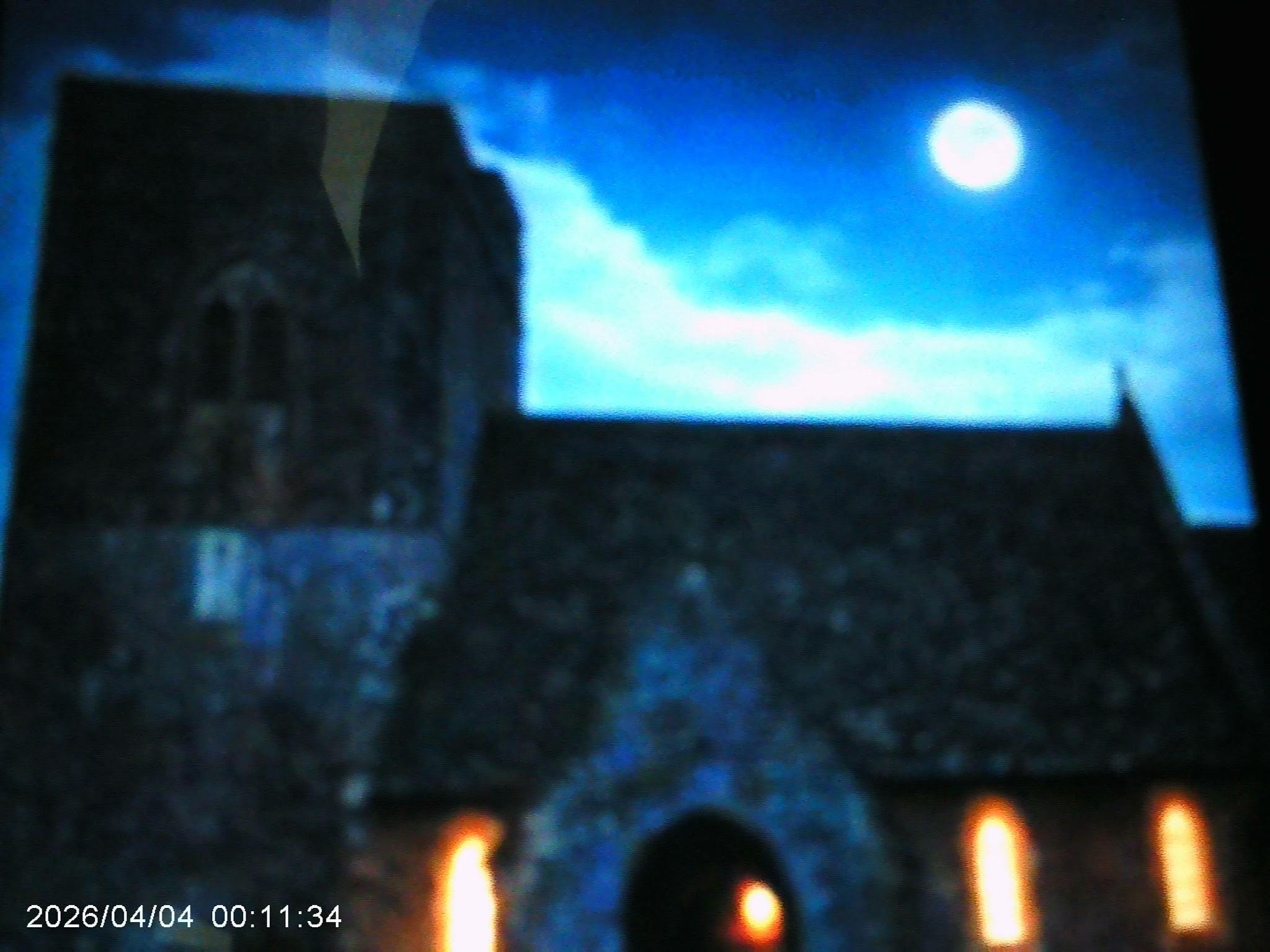
April 24th is St. Mark’s Eve, a solemn date of fasting and prayer dedicated to the dying. Tradition in England dictated that those observing the feast must keep vigil in the churchyard between 11PM and 1AM. It was believed that anyone who passed through the church porch during that time was destined to die within that year.
The symbol most commonly associated with St. Mark is a winged lion, an indefatigable and heroic figure. It is an icon reproduced in medieval heraldry. Mark’s influence was especially pronounced in Italy and was particularly revered by communicants of the English Church. The legend still reverberates throughout our culture, albeit in a watered down version in comparison to the devotions of previous centuries.
Mark was born in the spiritual wastelands of North Africa, yet through his tireless evangelism he established the foundations of Christianity in the desert, and ultimately across the whole of the African continent. The English poet John Keats was inspired by this prophetic story of building substance from sand, and could see parallels between this and the spiritual void of England.
Keats spoke of “the vale of soul making”, and alluded to the perpetual struggle of the English people to find a cohesive religious and cultural identity. He also made the declaration that “I am certain of nothing but the Holiness of the Heart’s affections and the truth of the Imagination”. Keats was a visionary poet and part of a long tradition of seers and poets.
This originated with the omens and prophecies of the Druidic priests and was established on this island before continental invasion and colonisation. It has endured and remains a part of us, and our sensibility as a people. The foundation myth of our island was itself based upon a vision.
The legend states that the goddess Diana appeared before Brutus and declared, “beyond the realm of Gaul, a land there lies, sea-girt it lies, where giants dwelt of old. Now void it fits thy people…And kings be born of thee, whose dreaded might shall awe the world and conquer nations bold”. This is our inheritance and it has left an indelible impression on generations of English writers.
Keats’ poem, “The Eve of Saint Mark” focusses upon a vigil attended by a young woman called Bertha. The tone is both dream-like and melancholic. Bertha is sitting in the shadows of the graveyard, reading, praying and contemplating the significance of the occasion.
Keats illustrates this tremendously evocative scene, replete with visions of ghostly silhouettes,
“All was silent, all was gloom
Abroad and in the homely room:
Down she sat, poor cheated soul!
And struck a lamp from the dismal coal”.
In her fatigue she reaches some level of epiphany, as the poem concludes,
“At length her constant eyelids come
Upon the fervent martyrdom;
Then lastly to his holy shrine
Exalt amid the tapers’ shine
At Venice”.
Keats’ observations captured a different England, now lost to modernity.
It was a nation that was still steeped in piety, although that was beginning to wane in his lifetime. At that stage in our history, people still believed in the literal presence of ghosts. It is obvious that during a period of great privation and high mortality, certain beliefs or perhaps superstitions would be prevalent. Many churches in this country are dedicated to St. Mark and continue to attract large congregations. However the Church of England discourages these ancient practices and instead advises parishioners to light candles and pray for those facing death.
It is sad that there are negative connotations, it reflects our disconnection between ourselves and our ancestors and the modern taboo about death. It is the only inevitability in our lives, and we should not be ashamed. Keats faced his own demise with an admirable level of maturity and acceptance. We should acknowledge our own mortality in the same manner.
 Ponderings