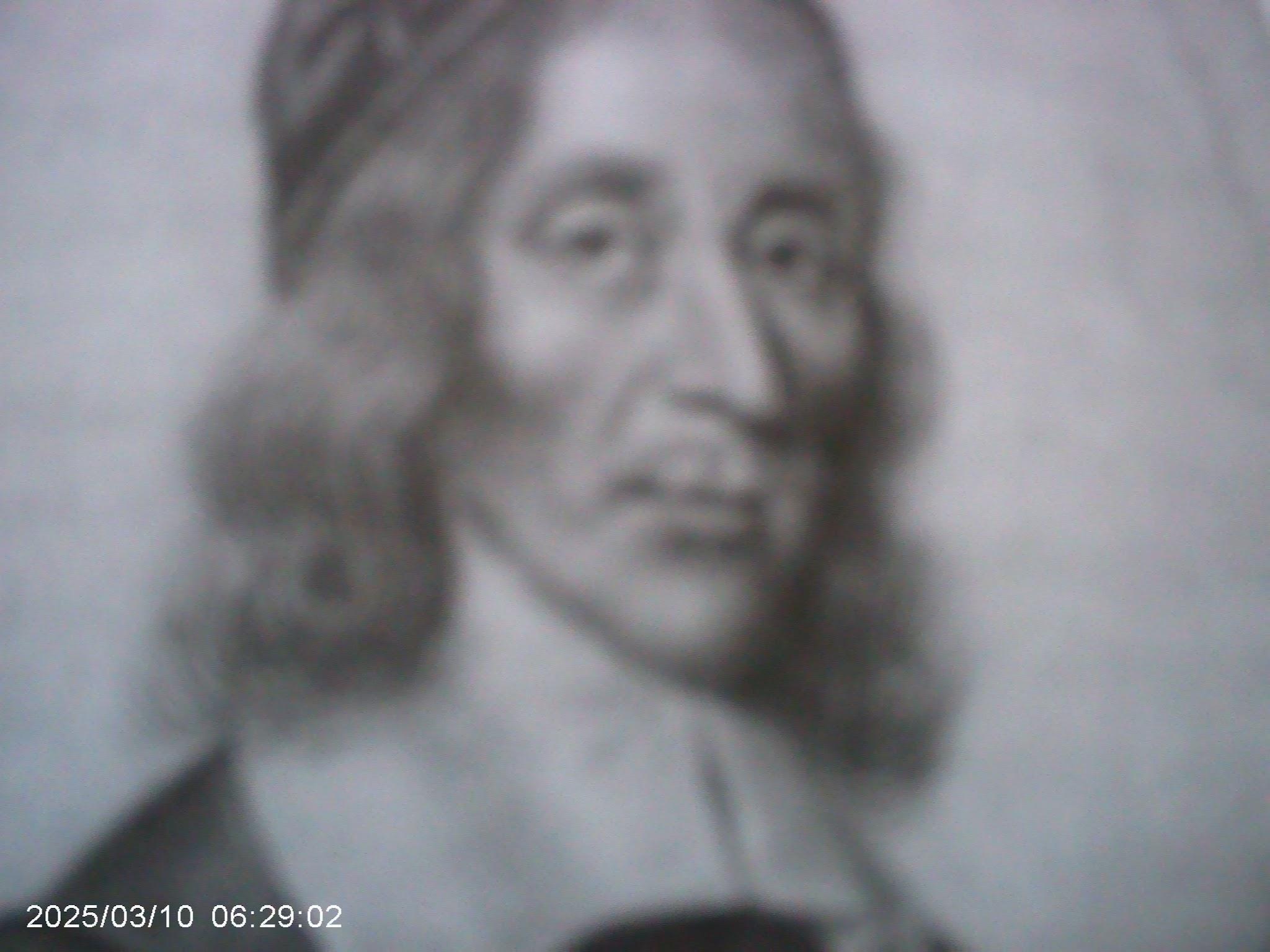
On April the 3rd, 1593 the poet and Anglican priest George Herbert was born. He was born into a prominent and influential Anglo-Welsh family. His ancestors included luminary figures, one notable member was the Earl of Pembroke. Herbert’s older brother Edward became the learned and respected Lord Herbert of Cherbury. Edward was revered as a renowned philosopher and theologian who later acquired the sobriquet “the father of Deism”. This philosophy championed the dual power of nature and reason.
The Herberts elevated education and the arts as noble pursuits. His esteemed family background meant that his ultimate destiny was certain, it was inevitable that he would make his mark as a man of letters. When he was eight years old, the family moved to a dwelling close to the Charing Cross in London.
At that time, this now unremarkable London landmark still had profound national, and spiritual significance. It was one of the twelve “Eleanor crosses”, dedicated to Eleanor of Castile. These were memorials commissioned by King Edward I to remember his late, lamented wife, and these were built at strategic points across his kingdom. Although three centuries had passed since its construction, Londoners understood the importance of the monument. The sixteenth century playwright George Peele composed a drama based on the life of the King, and devoted a section of the play to the assembling of the Charing Cross. The location, at the heart of the capital, was imbued with myth. Many other writers sensed the resonance of the King’s crosses, and inspired poems of a distinctly visionary nature.
The poetic and numinous elements of central London had a tremendous influence on the young Herbert. His spiritual sensibility continued to invigorate him throughout his literary career. His faith in a higher power provided a comforting light during the darkest episodes in his life. In spite of his privilege he was prone to episodes of ill health. He experienced tubercular disease and prolonged fevers which stifled his intellectual ambitions.
Nonetheless his inner resilience and resolve carried him through his years at Cambridge, where he ascended to the position of fellow. In 1619 he was appointed assistant to the University Orator. The Orator’s role fascinated him, and it helped deepen his understanding and appreciation of the art of rhetoric. It gave him an important grounding in his future career as a poet. He ascribed to Cicero’s maxim that the purpose of oration was to teach, to delight and to persuade. Meanwhile his mother, Magdalen, was encouraging him to seek a vocation in the Church.
Magdalen was an educated and well connected lady who regularly entertained respected figures like John Donne and William Byrd. Both used their considerable talents to promote Christian virtue. A year later Herbert himself became the University Orator. In 1623 he delivered a “farewell oration” to King James I who was on a visit to the University. The King was so moved by the sermon that he requested a written copy. Emboldened by the flattery of the King, and supported by his cousin the Earl, Herbert entered the realm of politics and he represented the constituency of Montgomery. However when the King died, his enthusiasm for politics ebbed away.
Herbert felt that he was drifting through life. In 1626 this period of torpor and ennui ended when he finally entered the priesthood. He was assigned to minister at the small parish of Leighton Bromswold in Huntingdonshire. This relatively unassuming English village was situated close to Little Gidding, an Anglican religious community later immortalised by T.S Eliot. In Herbert’s mind, however, this was a place that encapsulated the English soul. The founder of Little Gidding was Nicholas Ferrar, a close friend and confidant. Ferrar became a mentor to him, even in times of despair and doubt. He helped to cultivate and refine his poetry.
In 1629 he moved to another parish, Fugglestone St Peter with Bemerton, which was near Salisbury. While serving as rector he worked on his poetry, which had spiritual themes. He entrusted his collection to Ferrar. Unfortunately four years later his tuberculosis returned and he died. Ferrar published his entire work the same year, and he wrote the preface. Ferrar’s intervention introduced an entire readership to some of the most affecting religious poetry ever written. It is poignant to consider that in his short, painful but immensely productive life Herbert continues to inspire us today.
 Ponderings
Leave a comment