Tag: monarchy

  • The King Is Not Dead

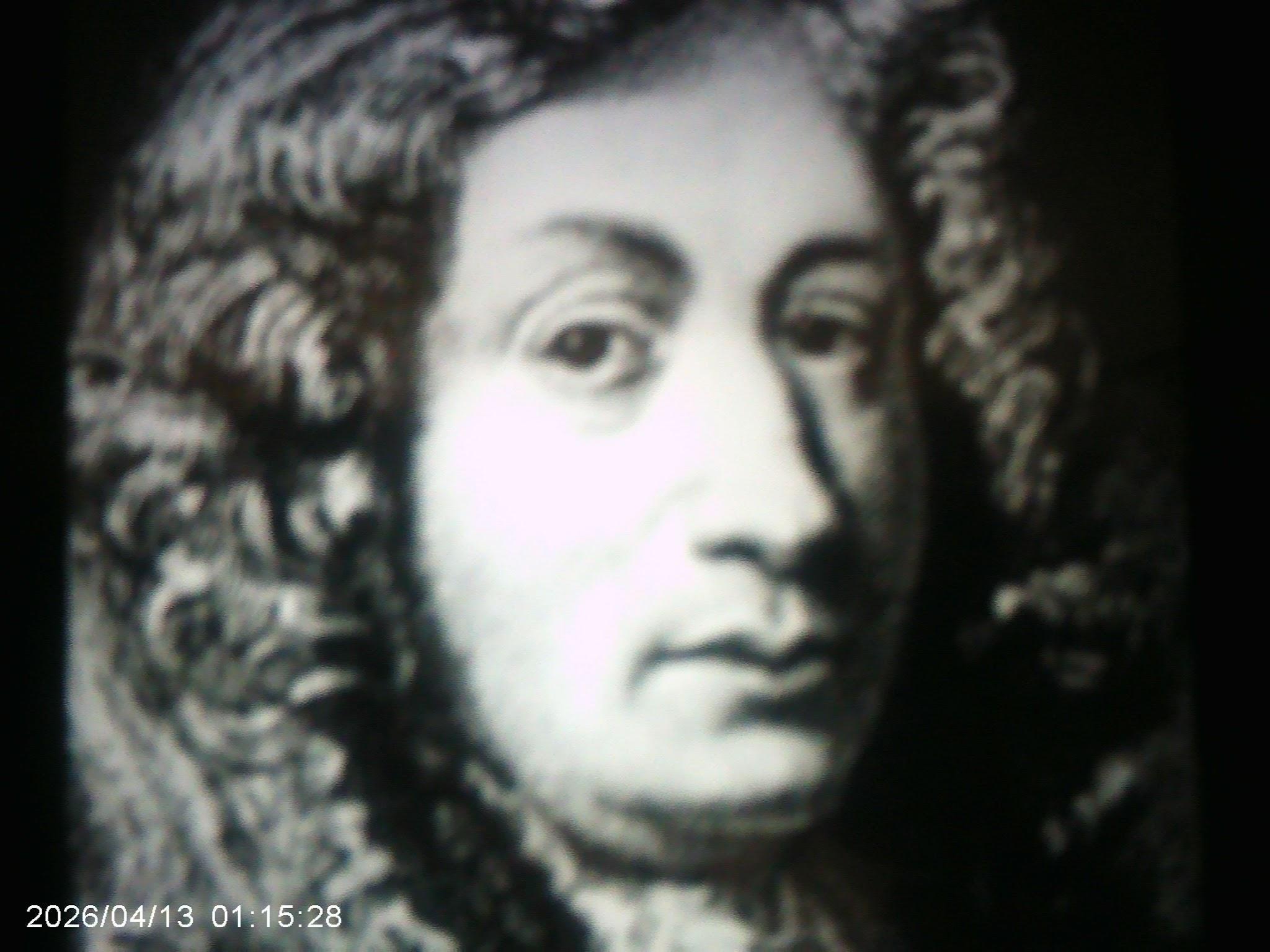
    On the 1st May, 1700 the English poet and playwright John Dryden died. He was the first Poet Laureate, an honourable title that was bestowed upon him by the office of the newly restored Monarchy. His work eventually defined Restoration England, and his appointment heralded a triumphant return of English culture after the sterile and barren years of Cromwell’s Puritan regime.

    Dryden understood the powerful allure of Monarchy, and the spell that Kings, particularly the Stuart King, Charles II had over the populace. This prevailed despite the violent schism that tore the nation in two. The divide between religious dissenters and loyalists sparked the English Civil Wars, yet a sizable part of the population was committed to the King.

    His most devoted followers helped to support him in exile. There was a secret society of Monarchists who would assemble at Ham House in Richmond on Thames. They were called The Sealed Knot, and when the King returned from the Netherlands he rewarded the owner of the property with an annual pension. The belief in the divine powers of the King became so pronounced and ingrained that there were people who believed that even after his demise they could sense his ghostly presence, and some claimed that they could smell the scent of his pipe. The King almost had a cult following. Every Friday, devotees would assemble outside the Banqueting House in Westminster to receive the King’s healing touch. They were convinced that the King’s hands could cure them of the most disfiguring disease.

    The notion of the divinity of Kings had not expired, in spite of all of the political and religious upheavals that afflicted England throughout the centuries. The King had inherited the traditions of the early church, and although he was ostensibly a “Protestant” Monarch he had not abandoned the Catholic past entirely. He merely adapted it. Dryden had a profound insight into the prevailing sensibilities of English Catholicism. He expressed it in perceptive and lyrical terms as the “milkwhite hind, immortal and unchanged”. The root of English spirituality itself remains deeply embedded within the psyche of the English people, even if the practice and form has changed.

    Our ancestors always revered immortal figures, like King Arthur. Arthur was the archetypal eternal King, who had the power to unite a fractious nation. The legend was that he had not actually died, he was merely sleeping and his spirit would revive the fortunes of an island people who suffered repeated invasions and tribal wars. This fanciful legend was incorporated into the literature of the Restoration and indulged by the King, who was fond of theatrical excess. Thankfully, through the patronage of Charles II, we continue to enjoy the artistic legacy of pioneers like John Dryden.

  • The People’s King

    On the 20th January, 1936 King George V died. He was seventy years old. However he had spent years in poor health, originating from an accident in 1915. He was thrown from his horse while inspecting the troops on the French frontline. His injuries were compounded by his smoking addiction and he was later diagnosed with chronic bronchitis.

    Ten years later, on his doctors’ advice, he took an extended break to the Mediterranean coast as they believed that the sea air would improve his breathing. In 1928 his health declined further when he developed septicaemia. His health never truly recovered and as a consequence, he was forced to delegate many of his official duties to his son, the future King Edward VIII.

    Duty was always paramount to George. Unlike other Monarchs, he believed this was much more important than his ceremonial role. Compared to other Monarchs, he was not as enamoured by the fawning and frivolities associated with pageants or other superficial displays of Monarchical power. His sober and sombre attitude was a stark contrast to the excesses and appetites of his father, King Edward VII. In fact, he was the polar opposite, slightly built and shy.

    He did not enjoy public attention, he only participated in his duties because he understood that these things were essential. He did not adjust as well to the role as Edward did, for him it felt normal. However, George was awkward. His diffidence, ironically, was an attribute that ultimately saved him and the future of the Monarchy.

    His work ethic was admirable, in spite of his illness he made sure to attend official engagements whenever and wherever possible. It was at often great cost to his already ailing health. He was reluctant to rest and relinquish his duties. However his health took a grave turn during the winter of 1929. He was recovering from lung surgery and was forced to take another rest cure. He was sent to the seaside town of Bognor to convalesce. The civic leaders of the town were honoured to have such an illustrious guest, and consequently the suffix “Regis” was added to the name to reflect the King’s association.

    His tireless sense of duty was something that was acknowledged by representatives of the Government. George had set a new standard of behaviour for Monarchs; his conscientious character distinguished him from the leisurely antics of his father. Edward always looked the epitome of the country squire, often clad in tweeds and either engaged in a hunting party or watching the races. In contrast, George was always in the same suit, and was indifferent to the whims of fashion. He took his role as King extremely seriously and endeavoured to serve his people to the best of his ability.

    His diligence and humility set him apart from the figureheads of other European countries. The continent was in crisis, and struggling to maintain a sense of homogeneity and unity. It was actually a loosely connected entity that was fracturing from within. The United Kingdom was not immune to these effects either, the culture and society was changing rapidly.

    It was frightening that the old order was no longer considered a certainty or an inevitability anymore. During the early part of his reign nascent political movements like socialism, communism and fascism emerged. These were populist revolts against an established social order. The Liberal government, fearing possible insurrection, introduced social welfare policies to dampen down this growing threat. Meanwhile in Europe militarism continued almost unabated, culminating with the outbreak of the First World War. The King found himself in a difficult and dangerous position. However he chose to put his own people first, before making any personal considerations or decisions.

    He anglicised the Royal Family, severing them from centuries of German history and culture. He was now head of the “House of Windsor” and his relations were no longer the Battenbergs, they were the Mountbattens. This was a swift and deliberate response to the feelings of antipathy towards Germans that were widespread across the Kingdom.

    He also reformed and democratised the honours system, establishing the Companions of Honour. These were awarded to people in public service, the first recipients of these medals were the leaders of the Metal Workers, the Railwaymen and the Transport Unions. It helped appease those who sought socialist revolution, and even regicide. George re-established the charitable role of the Monarchy and exercised noblesse oblige. His subjects were thankful for it, and for his impeccable morality.

    In 1935 the King celebrated his Silver Jubilee. The nation united in a spirit of warmth and familiarity, a glorious and harmonious picture totally divorced from the dark totalitarianism that had enveloped Germany and Italy. The serenity was broken six months later when his death was announced. The calm dignity he exuded throughout his reign was crucial in securing the continuity of the Monarchy, and cementing our national identity.