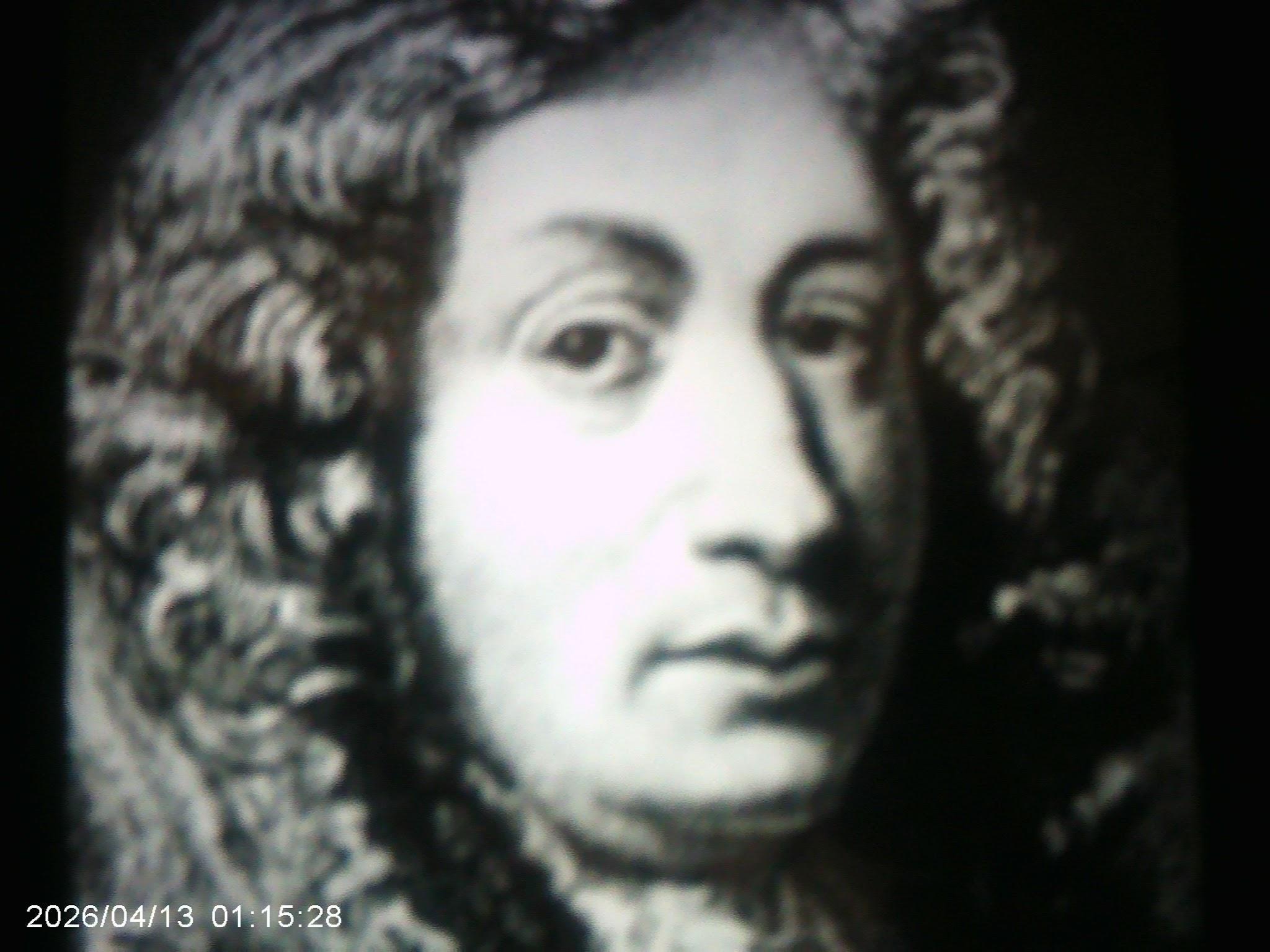
On the 1st May, 1700 the English poet and playwright John Dryden died. He was the first Poet Laureate, an honourable title that was bestowed upon him by the office of the newly restored Monarchy. His work eventually defined Restoration England, and his appointment heralded a triumphant return of English culture after the sterile and barren years of Cromwell’s Puritan regime.
Dryden understood the powerful allure of Monarchy, and the spell that Kings, particularly the Stuart King, Charles II had over the populace. This prevailed despite the violent schism that tore the nation in two. The divide between religious dissenters and loyalists sparked the English Civil Wars, yet a sizable part of the population was committed to the King.
His most devoted followers helped to support him in exile. There was a secret society of Monarchists who would assemble at Ham House in Richmond on Thames. They were called The Sealed Knot, and when the King returned from the Netherlands he rewarded the owner of the property with an annual pension. The belief in the divine powers of the King became so pronounced and ingrained that there were people who believed that even after his demise they could sense his ghostly presence, and some claimed that they could smell the scent of his pipe. The King almost had a cult following. Every Friday, devotees would assemble outside the Banqueting House in Westminster to receive the King’s healing touch. They were convinced that the King’s hands could cure them of the most disfiguring disease.
The notion of the divinity of Kings had not expired, in spite of all of the political and religious upheavals that afflicted England throughout the centuries. The King had inherited the traditions of the early church, and although he was ostensibly a “Protestant” Monarch he had not abandoned the Catholic past entirely. He merely adapted it. Dryden had a profound insight into the prevailing sensibilities of English Catholicism. He expressed it in perceptive and lyrical terms as the “milkwhite hind, immortal and unchanged”. The root of English spirituality itself remains deeply embedded within the psyche of the English people, even if the practice and form has changed.
Our ancestors always revered immortal figures, like King Arthur. Arthur was the archetypal eternal King, who had the power to unite a fractious nation. The legend was that he had not actually died, he was merely sleeping and his spirit would revive the fortunes of an island people who suffered repeated invasions and tribal wars. This fanciful legend was incorporated into the literature of the Restoration and indulged by the King, who was fond of theatrical excess. Thankfully, through the patronage of Charles II, we continue to enjoy the artistic legacy of pioneers like John Dryden.
 Ponderings
Leave a comment